Showing posts with label differences. Show all posts

Monday, November 3, 2025

Games That Are Fun vs. Games That Are Not

 Here are some ways to tell if a game was made by people who care about consumers.


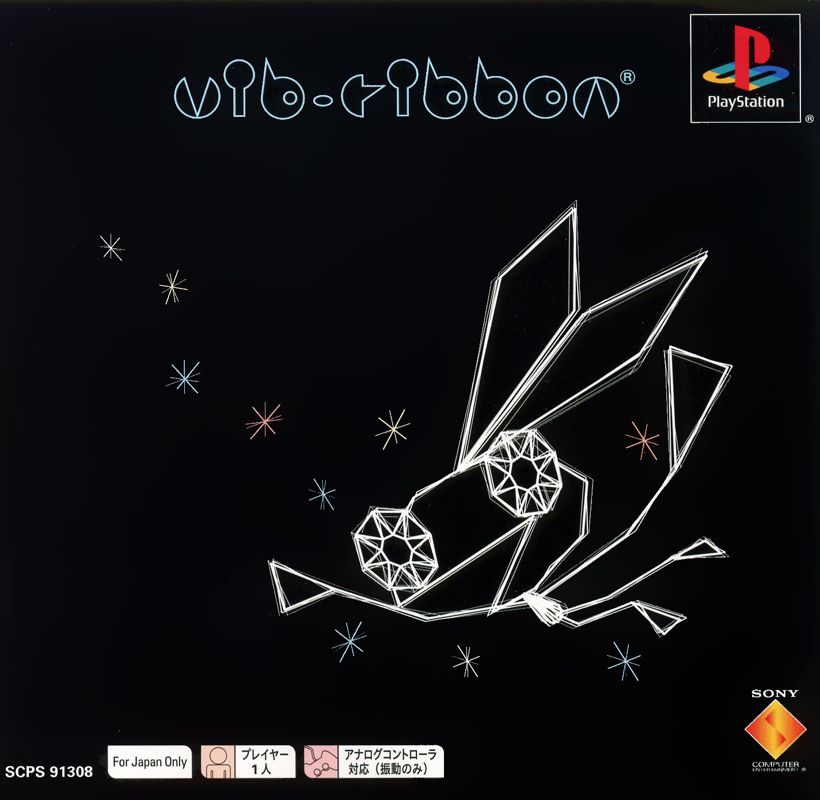
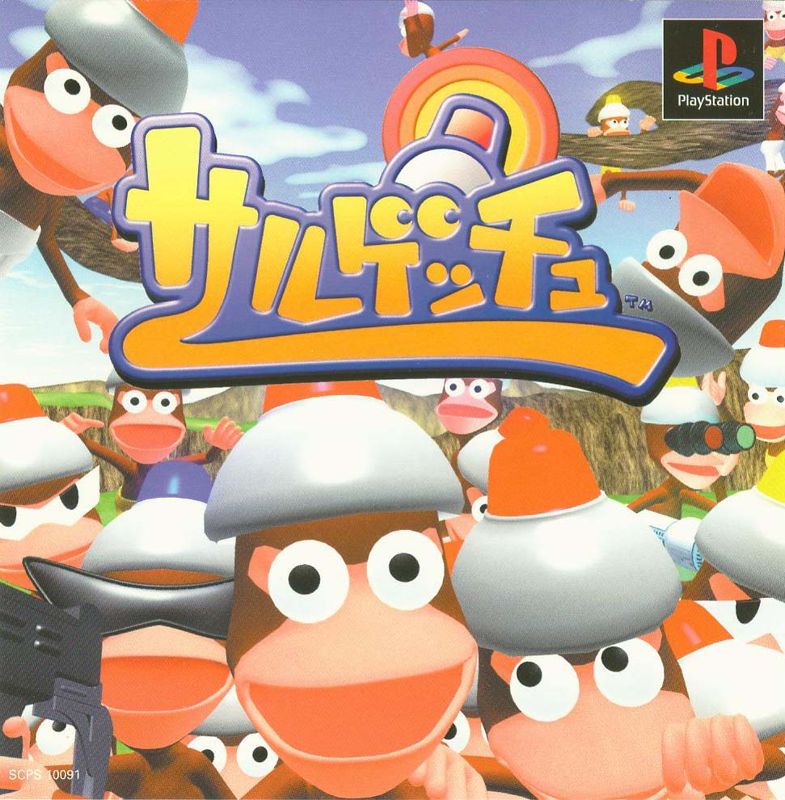
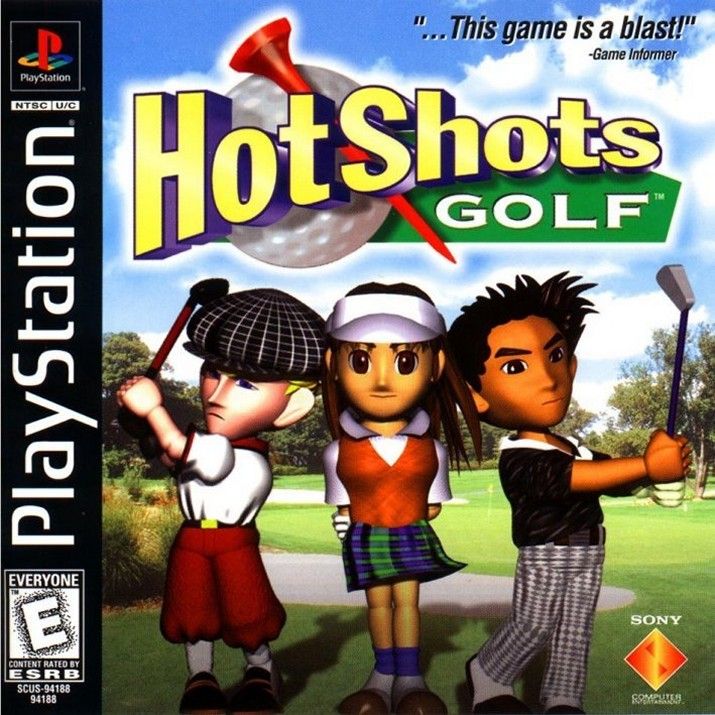
First off, we have Sony. Back when the PlayStation first came out, there used to be a lot of really fun and unique looking games.

Front Cover for Vib-Ribbon (PlayStation) (PSOne Books release)Front Cover for Ape Escape (PlayStation)Front Cover for Hot Shots Golf (PlayStation): .Front Cover for Jumping Flash! (PlayStation)

Front Cover for MediEvil (PlayStation)

I've never played any of these games, but I can tell by looking at them that they were made by people who care about gamers having fun. The covers alone make me want to check them out!


Front Cover for Spyro the Dragon (PlayStation)

Spyro the Dragon was one of my favorites growing up. Despite the obnoxious "tude" on this cover, his design is still iconic to this day. 


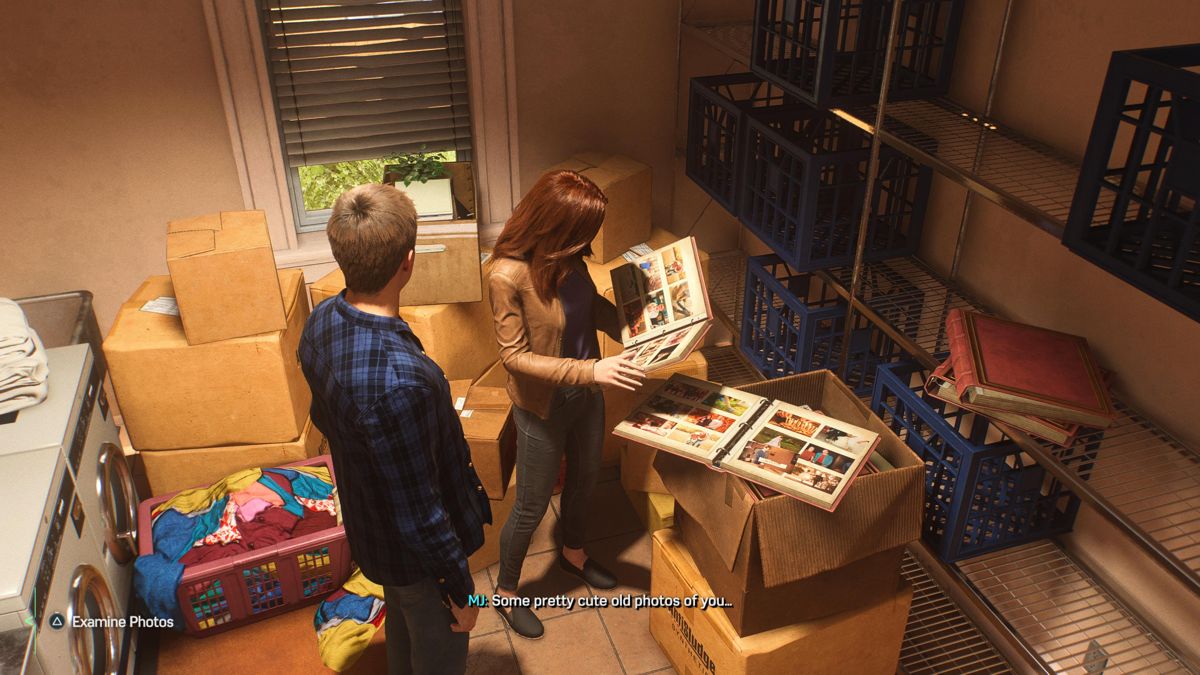
Unfortunately, the good times didn't last at Sony. Starting in the late 2000s or so, a lot of their games began to take on a homogenized look.

I don't know about you guys, but if I saw images like these in a video game, I wouldn't want to play them at all.

Marvel Spider-Man 2 (PlayStation 5) screenshot: Looking at family photos with MJ

Believe it or not, this comes from the same developers as the original Spyro games. Gone are all of the colorful, stylized levels and character designs. Now we have contests to see how "realistic" we can make our human characters. 


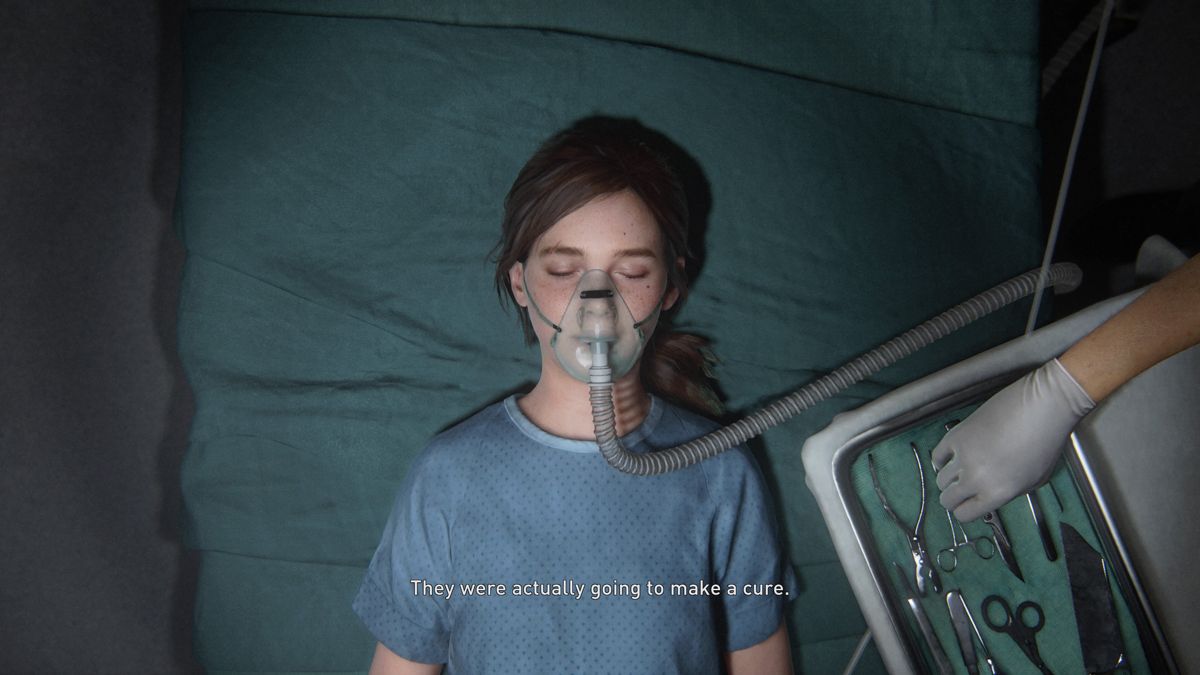
The Last of Us: Part II (PlayStation 4) screenshot: A quick recap of the story so far as Joel tells his brother the truth about Ellie and what he did to save her

Doesn't this look fun??? I've always wanted to play a game where some girl is getting operated on!

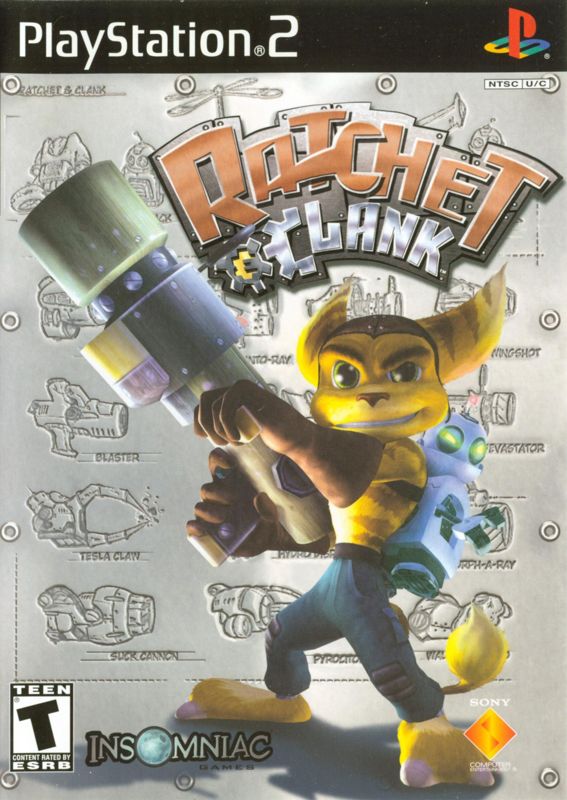
Front Cover for Ratchet & Clank (PlayStation 2)

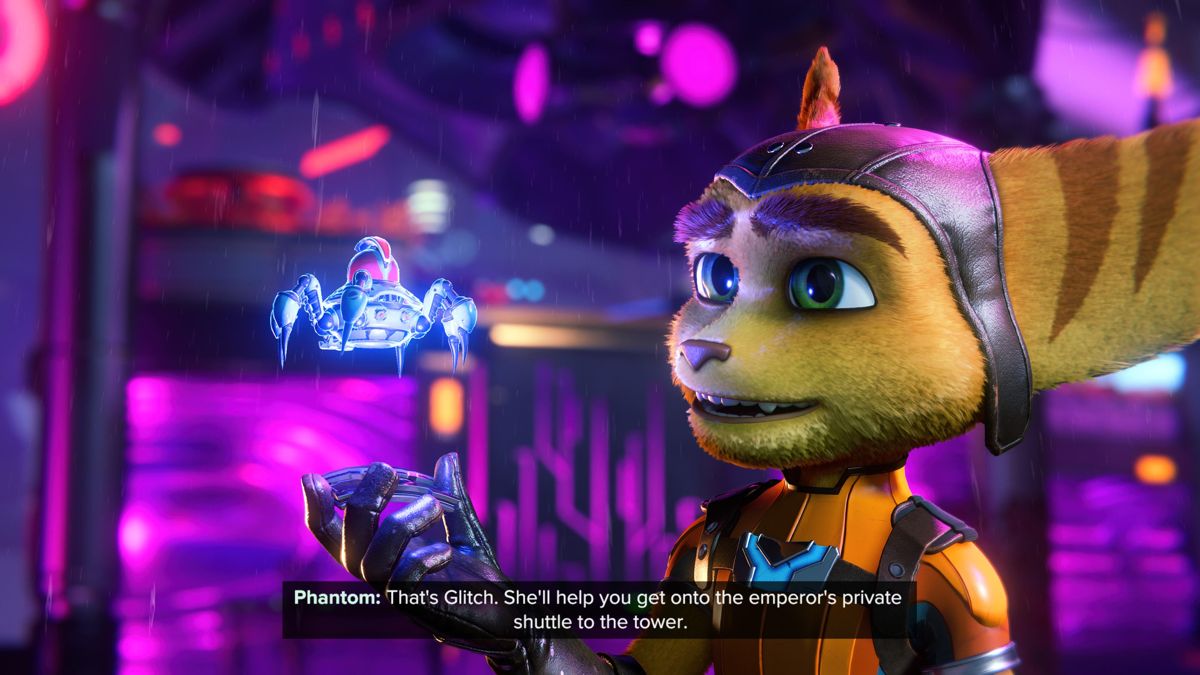
Everyone loves Ratchet and Clank, right? Well, what if they were REALISTIC??????

Ratchet & Clank: Rift Apart (PlayStation 5) screenshot: Glitch can hack devices and clear infested software from virusesBlech!!!! Haven't you always wanted to see the individual hairs in Ratchet's eyebrows? He looks like a rejected Pixar character!
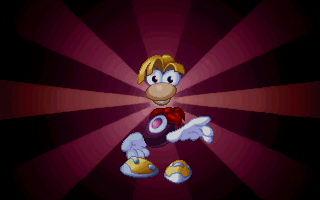
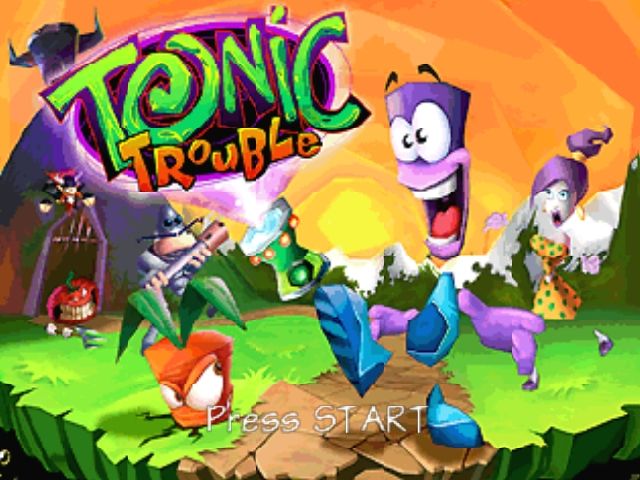
Moving on from Sony, we have Ubisoft. Being a French company, they used to be fun and wacky.Rayman (DOS) screenshot: It's Rayman!Tonic Trouble (Nintendo 64) screenshot: Title screen.


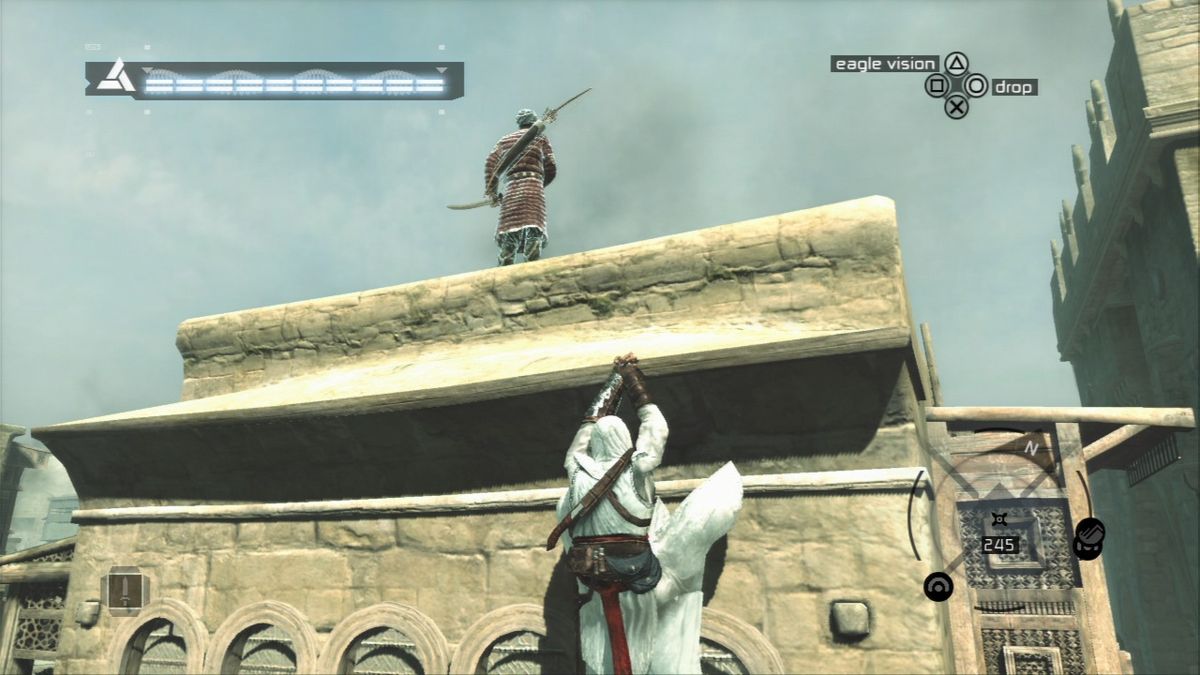
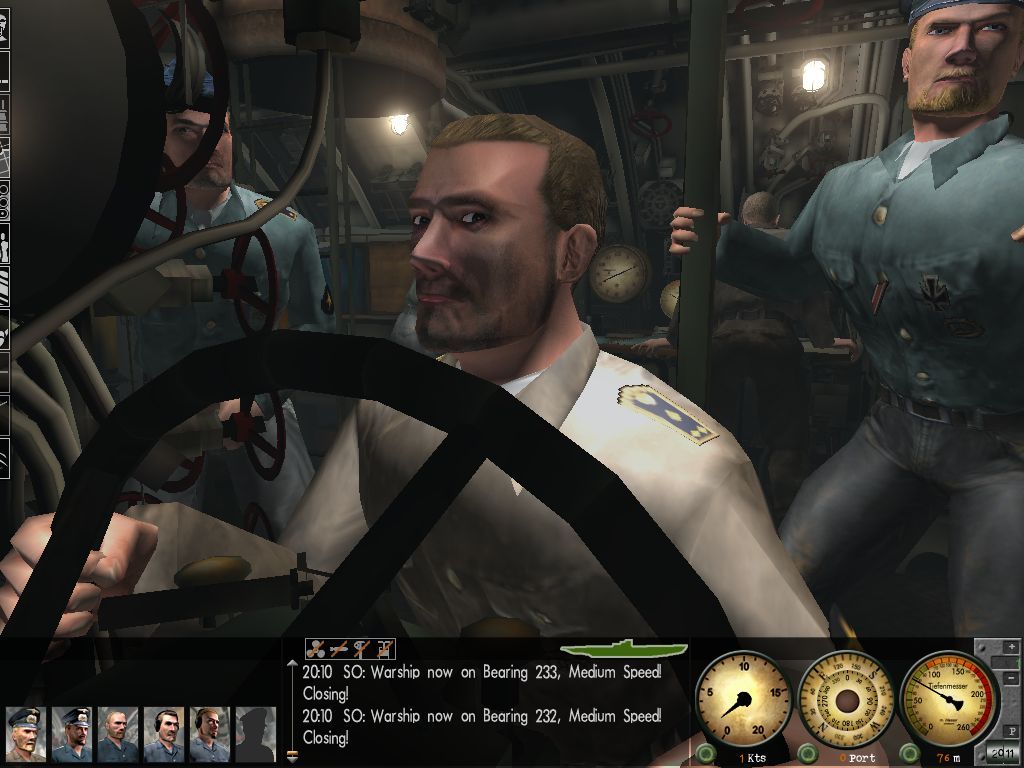
Unfortunately, by 2003, they had only started making games that look like this:

Silent Hunter III (Windows) screenshot: The crew looks a bit scared as the depth-charges explode, luckily not too near this time.Assassin's Creed (PlayStation 3) screenshot: The roofs are patrolled by archers.

Bland designs, bland washed out colors, and no fun.


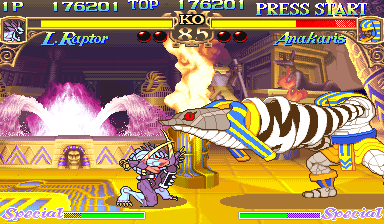
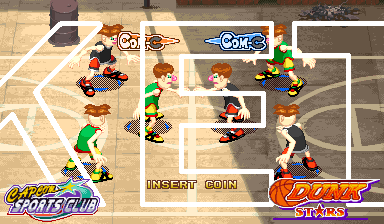
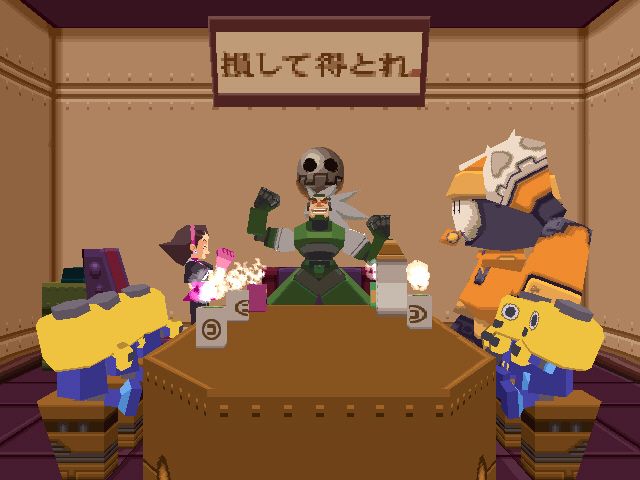
Look at how gorgeous these 90s Capcom games were!

Darkstalkers: The Night Warriors (Arcade) screenshot: Anakaris has some weird attacks, this here isn't even some kind of sophisticated special

Mega Man 7 (SNES) screenshot: Big boss to contend with

Capcom Sports Club (Arcade) screenshot: Basketball demo

Mega Man Legends (Windows) screenshot: The baddies about to unleash their master plan.

Capcom vs. SNK (Dreamcast) screenshot: One of the funniest moments is when Mai Shiranui is disguised as Chun-Li.


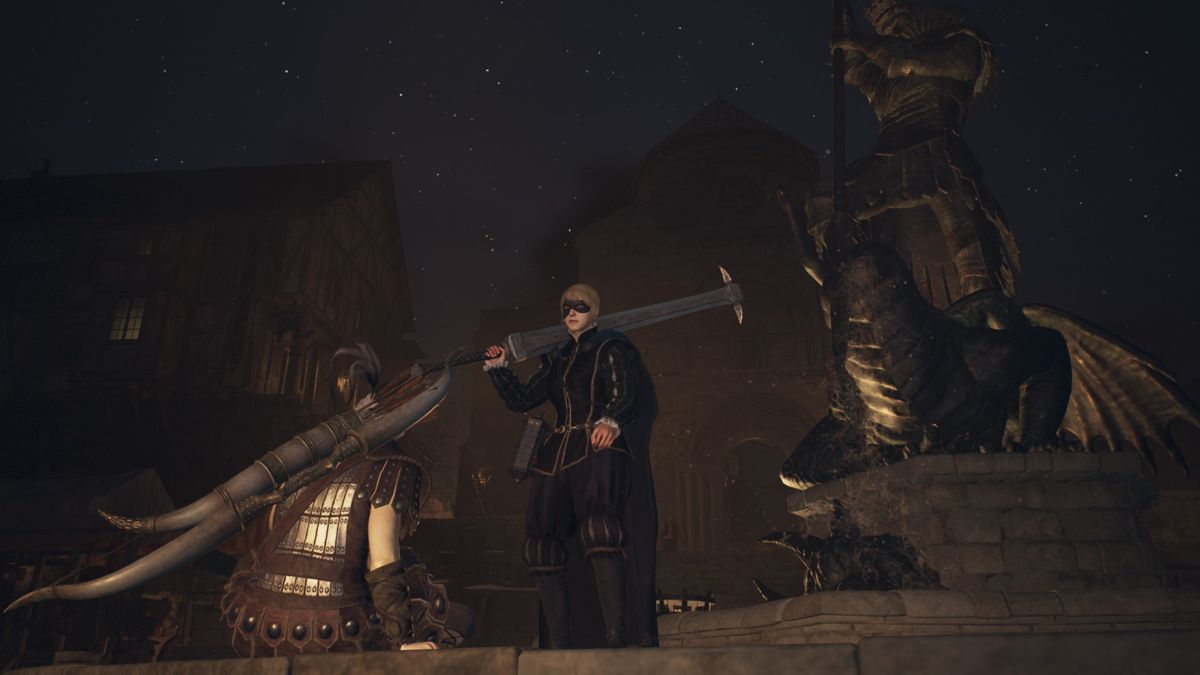
BUT NOW LOOK AT WHAT THEY'VE BECOME

Dragon's Dogma II (Windows) screenshot: Town square at night

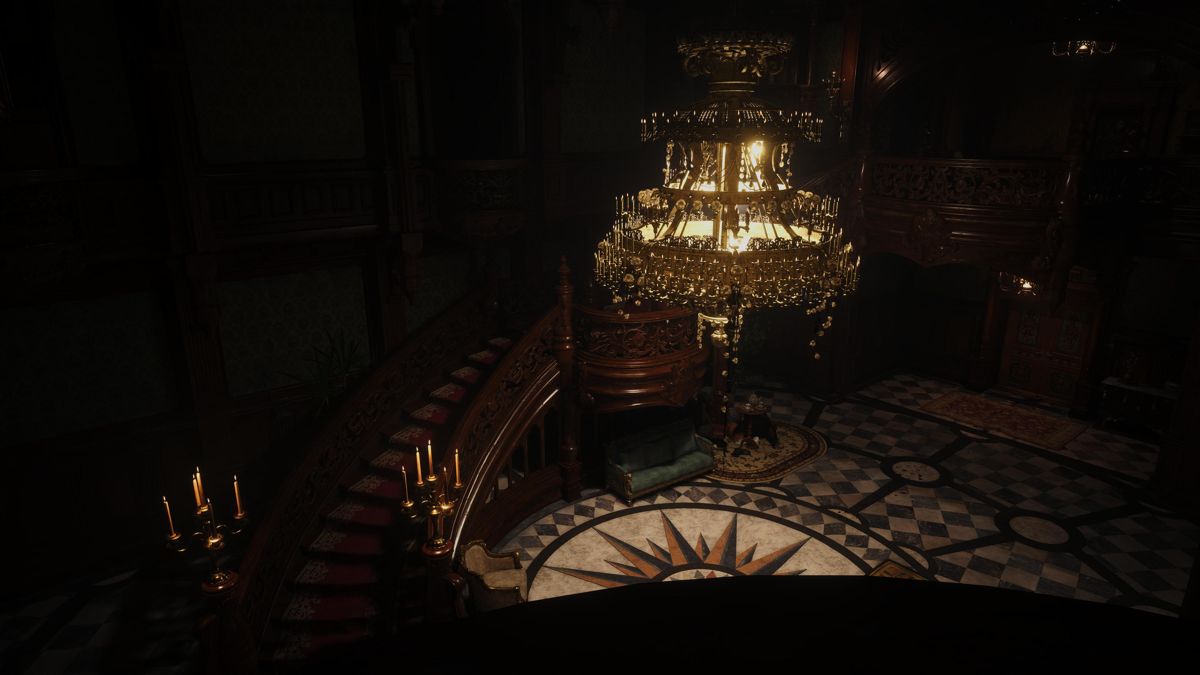
Maiden (PlayStation 5) screenshot: Exploring the mansion

Why is it all brown? If you see a game with extremely dark visuals, then it's a sure sign that it's not fun at all!


Saturday, July 5, 2025

The Wall: Live in Berlin differences (Part 2)

 "Hey You": Graffiti is overlaid on top of the Wall during the opening shot in the home release.

Other than that, the rest of the song uses exactly the same footage in both versions.


"Is There Anybody Out There?": Mostly the same in both versions, except for additional footage overlaid in a few spots.


"Nobody Home": The live airing actually shows us what's on the "thirteen channels of shit" that Roger sings about. I assume this had to be removed from the home release due to rights issues?

The echo on "fly to" seems to be missing from the live version.


"Vera": The home release mostly focuses on an impressive panning shot of the entire Wall.


"Bring The Boys Back Home": The title of the song is projected on the Wall in the home release, while the live version only has the words in a few shots.


"Comfortably Dumb": There's a part during the second chorus that had to be replaced in the home release because the stage smoke ended up blocking Van Morrison and The Band from view.

The live feed goes out again during the final chorus.


"In the Flesh": When the limousine arrives, the pyrotechnics go off once in the live version, but twice in the home release.

More transmission issues occur during the intro. The home release replaces this with alternate angles.

Roger's vocals seem to be unchanged in the home release.


"Run Like Hell": The arrival of the pig balloon is spoiled a bit in the live version, as it can briefly be seen at the end of "In the Flesh".

During the keyboard solo, the home release has a lot more shots of skinheads coming down the Wall on ropes. One of these shots is also slowed down in the home release.


"Waiting For The Worms": An odd bit of audio interference occurs twice during the song. Since the home release uses a different take, this is not an issue there.


"Stop": The live version has more audio interference during this song.

The home release cuts to a closeup of Roger when he shouts "STOP!!!"


"The Trial": Probably the highlight of this version of the show. All of the characters in the song are played by special guests, such as Albert Finney as the Judge, Thomas Dolby as the Schoolmaster, German singer Ute Lemper as the Wife, Marianne Faithfull as Pink’s Mother, and, best of all, Tim Curry as the Prosecutor!!!

While the vocals are the same in both versions, some kind of technical glitch happened during the Wife's part where she isn't on screen for the first part of her verse. As a result, they had Lemper reshoot her scene at Brixton Academy in London for the home release. The difference in image quality is rather obvious.

The home release is missing a rather funny shot of Roger putting his face right up in front of the camera before the Judge's verse begins.

When the Wall first starts to fall apart, I like how the live version shows an angle where we can see the technicians pushing the bricks down. The upshot shown in the home release is more dramatic, and I can see why they used this angle instead.

A lot of unimportant far shots are cut from the home release before the start of the next song.


"The Tide Is Turning": This song was added to the setlist for this concert only. It was originally on the Radio KAOS album.

Only some of the singers (such as Cyndi Lauper) appear to utilize alternate vocal takes in the home release. The rest are all the same.

There's not a lot of alternate angles in this song. Those that do appear aren't during any of the vocal parts.


"Outside The Wall": The album that was released of this show cuts this song for some reason. To be fair, "The Tide Is Turning" does make a better finale for this particular iteration of The Wall. 

The credits font is different in the home release. Some of the names have been switched around, and the live credits are a little slower.

Rather amusingly, you can barely hear the song in the live copy that's currently available, as the Italian commentators talk over pretty much the whole thing.

The Wall: Live in Berlin differences (Part 1)

 In 1990, Roger Waters came up with a brilliant idea to hold a performance of his masterpiece The Wall in Berlin, on the former site of the Berlin Wall. He quickly gathered an all-star cast of performers, including Cyndi Lauper, Sinead O'Connor, Thomas Dolby, Van Morrison, etc. The concert was held on July 21, 1990, and was aired live on TV in some countries. An album of the performance was later released, along with a VHS tape. However, these later releases contain several differences to what was seen in that live airing. Luckily, an Italian broadcast of the concert has surfaced, so we can use that for comparison...

Some common changes include different vocal takes for most songs, different camera angles, and the removal of all technical difficulties. I'll bring these up when I find them interesting.


"In the Flesh?": The concert starts with WWII veteran Leonard Cheshire blowing into a whistle, cueing the arrival of skinheads on motorcycles and limousines. 

The home release of this concert removes Cheshire's bit at the beginning, fading in just after he blows the whistle. The show's logo fades up differently between the two versions. During the performance, the home release tends to favor close up shots of the band, while the live version mostly sticks to wider shots.


"The Thin Ice": Removed entirely. This is because the band started to play the song despite Roger not arriving on stage yet.


"Another Brick In The Wall, Part 1": During the sax break, the live version chooses to focus on the giant Schoolmaster puppet instead of, you know, the guy playing the sax. The live version fades out at the end, while the home release shows the arrival of the helicopter that signals the beginning of the next song.


"The Happiest Days Of Our Lives": The live version rejoins the show in the middle of the Schoolmaster's opening shouts. The home release favors disturbing close up shots of the Schoolmaster's eyes, while the live version stays far away for the most part. There's also some nice shots of the drummer in the home release.


"Another Brick In The Wall, Part 2": The home release features a shot of Cyndi Lauper running onstage to begin the song. Some of the same shots are used in both versions, but one shot of Lauper running around has its frame rate halved in the home release.


"Mother": Some major alterations occur here, as technical difficulties plagued the live broadcast. The solution was to insert scenes from the flawless rehearsal take. 

The first major difference is when O'Connor sings the "break my balls" part. In the rehearsal take, she's holding the mike when she says this, while in the live version, she's not. 

Something seems to go wrong when the second verse starts. Rich Danko and Levon Helm (of The Band) come in too early with their vocals, and they have to start the second verse all over again. It's also at this point that the transmission gets really staticky. To cover all this up, the home release skips right ahead to the instrumental portion.

During the instrumental part, the live version shows a bizarre film of some kid wearing one of those faceless masks seen in the theatrical version of The Wall. The home release instead shows shots of the stage, including a giant piece of the Wall with Pink's Mother on it.


"Goodbye Blue Sky": The live version shows a film of a kid looking up at the sky as we hear Harry Waters' "Look mummy, there's an aeroplane up in the sky". The home release replaces this with a shot of the crowd.

The live transmission briefly cuts out after the second verse, so the home release inserts different footage from the rehearsal at this part.

Very different takes are also used of Joni Mitchell's performance. 


"What Shall We Do Now?": The live version cuts away to a different angle about halfway through the "fucking flowers" animation, while the home release shows the whole thing.

A different closeup angle of Roger is used in the home release where he isn't wearing his usual shades. While this is going on, they also use different shots of the audience holding up two-sided masks.

Different takes are used of Bryan Adams' performance. In the live performance, he's holding the mike as he sings, while he doesn't in the version on home video.


"Young Lust": About 85% of this song uses the same shots in both versions.


"One Of My Turns": Jerry Hall's lines as the groupie are timed differently between the two versions, though they are the same takes.

When Roger is throwing various items out of the room, the live version focuses on him, while the home release intercuts this with shots of the guitarists.


"Don't Leave Me Now": The home release mainly focuses on shots of people putting the Wall together.

I'm not sure, but I think the vocals are untouched on this song.


"Another Brick In The Wall, Part 3": There's a major lyrical difference between the two versions. In the live take, Roger says "I don't need no arms around me", like on the record, while in the other take, he says "I don't need your arms around me."


"The Last Few Bricks": This song is not on the original album, as it was meant to fill time for the technicians to finish building the Wall. Anyway, the live feed cuts out again during this song, so a shot of the drummer is inserted to cover this up.


"Goodbye Cruel World": Roger can be heard muttering something before starting the song in the live take. This is absent from the take used in the home release.

The live airing stays on the same shot of Roger for the entire song, while the home release inserts some close ups.


Monday, April 21, 2025

Examining the many versions of Baby Mozart (1998)

 In 1998, Julie Aigner-Clark was riding high off the success of her first video, Baby Einstein. Around that time, she became aware of studies which showed that listening to Mozart supposedly made your baby smarter. While these have since been discredited, she ran with it and decided to make a video testing the theory. 


The Many Versions of Baby Mozart


First Version

Released in February 1998, Baby Mozart is the first of several Baby Einstein videos to focus on the music of a classic composer. As with the previous video, this one was initially distributed by I Think I Can Productions. This was the last release to use this name before Clark's rights to use the name expired.

Something to note about this initial version of the video is the music. This was the first video in the series to have an accompanying soundtrack on CD, and the music is certainly more elaborate than it was last time. However, there is a certain cheapness to the synth in this version, something that would be fixed later down the line.

The scene transitions in this version remain the same as in the previous video. One unique feature found in this version, however, comes after the Castle Pounder scene, where the hand returns to "flush" away the screen, which fits with the next toy being the Rocket Tornado. Sadly, this unique transition was not carried over to the later versions.

At the end of the video is a tutorial called "The Mozart Effect", in which Clark explains the aforementioned theory about Mozart making babies smarter. She ends with this pretty funny line: "It's never too early; Mozart began composing at the tender age of five!"

This version of the video can be found on the initial early 1998 releases. It was also used as the basis of the Japanese and Hebrew versions. An unlicensed Korean version was also released, but the only changes made that version were the addition of Korean text listing each piece of music.


Second Version

The first change to Baby Mozart was relatively minor. In late 1998, all mentions of I Think I Can Productions were replaced with The Baby Einstein Company. The only other change is the removal of a credit mentioning that some of the toys in the video were purchased at The Right Start, a now-defunct store that sold baby products.

This version of the video can be found on all releases from late 1998 to early 2000.


Third Version

In early 2000, Family Home Entertainment bought the distribution rights. Aside from adding their logo to the video, we get the first major change to the video. Around the same time, the CD was rereleased with an updated score. The music now sounds fuller and more polished, and it is this version of the soundtrack that is still sold today. 

Another big change is that The Mozart Effect has been removed, never to be seen again. In addition, all of the visuals have been improved. However, a small error was made when they were updating the credits. Puppeteer Tim Giugni's name has been misspelled as "Tom Guigni". This error will remain unfixed for quite a while.

This version of the video is only seen on early 2000 FHE releases.


Fourth Version

Exactly the same as the previous version, except for the addition of the screen telling us where we can find the toys, and the 2000 Video Tutorial.

This version of the video is only seen on mid 2000 FHE releases.


Fifth Version

This is the version I had growing up. It's almost the same as the previous version, except for the addition of the Toy Chest at the end.

This version of the video is seen on late 2000 to late 2001 FHE releases, as well as the initial DVDs.


Sixth Version

In 2002, after Disney took over the company, all traces of the FHE logo were removed. This is the last release of Baby Mozart to have the 2000 Video Tutorial and the Toy Chest.

This version of the video appears on 2002 releases.


Seventh Version

In this version, the tutorial and Toy Chest are now gone. In addition, the warning screen at the beginning is also removed, so the video now starts on a black screen, which peels up to reveal the drumming bear.

This version of the video is seen on 2003 and early 2004 releases.


Eighth Version

As was the case with Baby Einstein, in 2004, Baby Mozart received its biggest update yet. The transitions are updated again, and Tim Giugni's name is reverted back to its proper spelling…well, only his first name was fixed.

Once again, a lot of toys are replaced in this release. This time, I feel the replacements are even more egregious and poorly implemented. For example, the drumming bear that begins the video is replaced by a stuffed bear which is being puppeteered to drum. It looks really bad and distracting. Later, this same bear is used to replace a bubble-blowing Coca-Cola bear. This is achieved by putting a bubble wand in the bear's paw, and blowing bubbles from behind it.

Continuing the trend of trying to erase Julie Clark's family from the videos, the credits sequence is missing the scenes of young Aspen Clark in the studio playing with the puppets. I don't really understand why they keep doing this. 

This version of the video is found on releases from 2004-2008.


Ninth Version

Unlike the original video, the changes to Baby Mozart didn't stop in 2004. In 2008, to celebrate the video's 10th anniversary, even more changes were made. While it uses the 2004 version as a basis, the changes in this version are much worse.

The most obvious change is the addition of some new puppet segments. The video now starts with a short clip of Baby Mozart the Koala getting ready to conduct, which then transitions into the replacement drumming bear footage. Another clip of him taking a bow is also added after the credits. 

During The Magic Flute section of the video, the scenes of the Divin' Dolphin puppet are now interspersed with stock footage of the ocean. The sequence that follows with the giraffe, rooster, and frog puppets is removed entirely, and replaced by a sort of "ballet" with some of the Baby Einstein puppets. It's fine, but I miss the frog puppet. 😢

Other small changes include the replacement of a picture of bean sprouts with a picture of grapes, and the slideshow of animal pictures is entirely different. The only toy to be replaced in this version is the Happy Starfish, who is replaced by a modern update.

This version of the video is only seen on the 2008 DVD.


Tenth Version/Discovery Kit

The final round of changes is undeniably the most bizarre. In 2010, the franchise was on its last legs, so Disney started releasing new videos as part of packages known as "Discovery Kits". Most of the Discovery Kits were just updated versions of older videos, but some were new. This is not one of them...

This version starts with a quote by Albert Einstein regarding Mozart's music. There is also a new intro with an entirely different logo and cheap looking CGI curtains at the top of the screen. The scene transitions have been redone yet again, making this the third time they've been changed.

A lot of the toys that were replaced in 2004 are back in this version, such as Mr. Buggity Bugget, and the helicopter. Even stranger is that some toys have been replaced for a second time, such as the dolls that appear before The Magic Flute. 

All of the new puppet shows that were added to the 2008 version are gone, meaning that we get to see my favorite frog puppet again!!!! The scene in the credits with Aspen and the puppeteer is mostly restored, albeit with that distracting CGI curtain covering half of the screen. The animal picture slideshow is also redone again, this time with an entirely different song.

Perhaps the most unusual change to this version is the addition of several scenes from Baby Bach. The aforementioned quote from Einstein is followed by Baby Bach footage of a flipping dog toy. This reuse of footage continues throughout the video, and I have to question why. Another Discovery Kit video, Baby Lullaby, also cannibalizes footage from Baby Bach, but that's a story for another day.

Unfortunately, the Discovery Kits were a huge flop that failed to resurrect the series, and they remain the last Baby Einstein videos ever made. Disney sold the company to Kids II in 2013, and things have been quiet for the franchise since then.

This version of the video is only found in the 2010 Discovery Kit.


Up next, I'm going to discuss the various versions of Baby Bach.

Sunday, April 20, 2025

Examining the many versions of Baby Einstein/Language Nursery (1997)

 When I was a little baby, one of my favorite activities was watching the many videos of the Baby Einstein series. Those videos really captivated me, and gave me a greater appreciation of classical music. However, little did I know when I was little that there have been many, many, many variations of them over the years. So, I thought I'd do something a little different here to commemorate my 25th birthday (which was like a month ago, but still). Gentlemen, I give you...


The Many Versions of Baby Einstein/Language Nursery (1997)


Back in 1996, a suburban Atlanta mother named Julie Clark was dissatisfied with the poor quality of videos aimed at very young children. Having seen a lot of children's videos from around that time, I can't say I disagree. Her husband was a videographer, and, with the help of six other ladies, each speaking a different language, she released the original Baby Einstein video in early 1997. 


First Version

This is the initial version of the video as seen on the first few releases in 1997/98. The video starts with an informative tutorial at the beginning with Julie Clark. She tells parents how to use the video as clips from it are shown, interspersed with footage of her children. Then, the actual video starts as you'd expect, although one big difference right off the bat is that the company is credited as "I Think I Can Productions". This was apparently the name of an English school in Japan that her husband was teaching at.

Other things to note about this initial version of the video include a completely different Hebrew narrator than the one I remember, and the scene transitions are kind of awkward and cheesy. But there's a certain charm to this version, especially knowing how popular it went on to become despite these production shortcomings.

This version of the video is seen on the initial 1997 releases by I Think I Can Productions and Gymboree. The original Japanese release of the video is also based on this initial version, albeit with the Hebrew parts replaced with Chinese. The Japanese release also bizarrely has a page flip transition at the very end of the tape after the credits are finished.


Second Version

In late 1998, a few changes were made to the video, as, by this point, the sequel, Baby Mozart, had already been released, with a third video on the way. 

The biggest difference in this version is that the Hebrew dialogue has been entirely rerecorded by Iris Zinger, replacing Lynne Albertson from the original version. This may just be nostalgia speaking, but I prefer the Zinger version. She sounds more warm and inviting to me. During the scene of the video where the Hebrew alphabet is recited, Albertson sings in her version, with percussion in the background. Zinger's version is a simple recitation with no music, although the falling noise when the blocks are pushed over remains intact. 

Some other minor changes were also made. For example, the tutorial is moved to the end of the video, and a "Stay Tuned" screen is now in its place. The scene transitions are redone, and a scene near the end of the video where pictures of vegetables are shown has most of the pictures changed to fruit, with the exception of the peas. Lastly, the color and font of the credits are changed from red and blue to orange and green, which they remain in all future versions. 

The video is also now credited to The Baby Einstein Company instead of I Think I Can, as Clark's rights to use that name had run out.

This version of the video is seen on late 1998-early 2000 releases. Starting in early 2000, Family Home Entertainment gained distribution rights to the Baby Einstein series, with parent company Artisan acquiring a stake in the company. As such, early 2000 releases of the video feature the FHE Kids logo.


Third Version

This version of the video is the one that I grew up watching, so it will always be my particular favorite. 

Changes in this version include the removal of the tutorial at the end, although the Stay Tuned screen still mentions it. Instead, we get a new tutorial that begins with Clark reading a passage from the Baby Shakespeare book, before she goes over the various products that have been released by this point. Watching this version of the tutorial really takes me back to my childhood. 

The new tutorial is also preceded by a screen telling us where we can find info about the various toys seen in the video, as well as listing off the other videos in the series.

This version of the video only appears on the mid-2000 FHE release. It also appears on the initial DVD release.


Fourth Version

In late 2000, another big round of changes were made to the video. While no changes were made to the visual content, the audio received a major update. 

To coincide with the recently released Language Nursery CD, the German, Spanish, French, and Japanese narrators were all replaced. While the German narrator (Gabriele Rewis) rerecorded all of her dialogue (except for her two songs), the other three languages have entirely different narrators. It should be noted that the credits were not changed to mention the new narrators, for some reason.

Another addition to this video was the Toy Chest. Around this time, most of the Baby Einstein videos had an additional segment at the end which featured a slideshow of all the featured toys. These segments were really fascinating to me as a child, as it gave me information on who was responsible for making and selling them.

One final change is that the warning screen at the beginning of the video now has Julie Clark's usual narration that was seen on all the other videos around this time.

It should also be noted that, around this time, the title of the video was changed to "Baby Einstein: Language Nursery", although no change was made to the actual video.

This version of the video is seen on all releases from late 2000-late 2001.


Fifth Version

In late 2001, Clark sold her company to Disney, which marked the beginning of a new era for the videos.  

Starting with this release, all references to Family Home Entertainment are removed and replaced with the Walt Disney Home Entertainment logo. Otherwise, the content of the video is mostly the same as the previous version. This is the last version of the video to have the tutorial and Toy Chest at the end, as those had become special features on the DVDs at this point.

This version of the video appears on all releases from 2002.


Sixth Version

Exactly the same as the previous version, except the Toy Chest and tutorial are no longer featured. Also removed is the warning screen, so the video now starts with the opening fanfare over a black screen, which peels up to reveal the jack in the box.

This version of the video appears on all 2003-early 2004 releases.


Seventh Version

In 2004, Disney went back to the videos made before they bought the company and began to change them. All videos from Baby Einstein to Baby Beethoven had some kind of alterations made, but the first few featured the most changes.

There's a lot of differences here, so let's get to it. Firstly, the title of the video was finally changed to Language Nursery, complete with a new intro sequence that no longer matches the music. All of the scene transitions are redone again to look "shinier". The credits are also redone in a thinner font, and the replacement narrators are finally credited.

The biggest change involves the toys. For whatever reason, starting with this release, a lot of the toys have been replaced. For example, the iconic Fisher-Price Rock-a-Stack has been replaced with a similar wooden stacking toy, and the train that reappears throughout the video has been replaced with a smaller one that pulls along freight cars. If I had to guess, I would say that these changes were made for rights issues, and the reason I think that is because both of the featured toys that were made by Fisher-Price (the aforementioned Rock-a-Stack and a musical clock) were replaced. Was there some kind of issue with Fisher-Price that prevented them from using their toys again? 

In addition, there was a minor change made with the Spanish counting segment. In all previous versions, it only went up to 10. From here on out, it goes up to 20 like all of the other languages. This results in a rather sloppy extension of the footage.

Probably the worst change in my opinion has to do with the credits. In between the names, we see footage of Julie Clark's young daughter playing peek-a-boo with her parents. In all previous versions of the video, we could hear their voices encouraging her to play. It's a really sweet way to end the video. Starting with the 2004 version, however, there is complete silence. We still see the girl playing peek-a-boo, but no words come out. Just empty, soul-crushing silence. It's actually kind of creepy.

When my little sister was just a baby, and we were experiencing these videos all over again with her, we made the mistake of borrowing the DVD of this version from our local library. We were all shocked, not only by the replacement voices, but by all of the new toys. And the sad thing is that this seems to be the finalized version of the video. No more changes were made after this, and the video was rereleased one last time in 2008 before Disney sold the company in 2013.

This version of the video can be seen on all releases after 2004.


In conclusion, the first video in the Baby Einstein franchise has had a long history of releases and alterations. If I were to pick one version that I would call the definitive version, I would pick the Mid-2000 FHE release. Not just because it's the one I grew up with, but because it perfectly captures what watching these videos was like back in the day.


Next up, I'm going to go over all of the different versions of Baby Mozart, because there's some interesting differences there as well.